Can pheromone cologne leave residue on clothing?

Many users, in an effort to save on perfume and prolong the scent’s lasting effect, spray expensive pheromone cologne directly onto cashmere coats, silk scarves, or shirts. The logic is simple: “If the clothes aren’t washed, the scent will linger.”
From a physical standpoint, this idea does make sense—some fabrics are indeed powerful “odor safes.” But from a pheromone biology perspective, this scent is often a “frozen signal” : it exists within the fibers, but lacks the vitality that comes with the warmth of the skin.
of what happens when pheromones are sprayed on clothing, covering aspects such as molecular structure, material differences, diffusion mechanisms, and cleaning methods.
Molecular physics
Why do pheromones resemble “super glue” instead of “alcohol”?
The core molecules of pheromones (such as androstenone and androstenol) all belong to the steroid structure, and steroids have one thing in common:
macromolecules
Extremely lipophilic
This means they don’t evaporate as quickly as alcohol, but rather act like trace amounts of oil or wax that adhere firmly once they come into contact with porous fibers.
Different fabrics have vastly different “grabbing power” for pheromones.
| Material | Adsorption capacity | Residual time | Expert Evaluation |
| Wool/Cashmere | ⭐⭐⭐⭐⭐ | 24–72 hours+ | Natural “pheromone trap,” but with weak diffusion. |
| Leather/Suede | ⭐⭐⭐⭐⭐ | Several days to several weeks | Nearly permanent residue |
| Cotton/Linen | ⭐⭐⭐ | 8–24 hours | Grasp the balance between diffusion and performance |
| Polyester/Nylon | ⭐ | 4–8 hours | The molecules cannot slip, and the fragrance does not last long. |
Simply put:
For lasting results, use cashmere; for diffusion, use human skin.
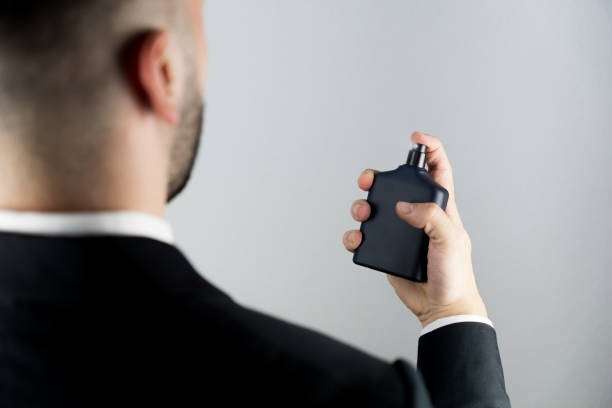
Spraying skin vs. spraying clothes
Is it effective when sprayed on clothes?
It is effective, but incomplete.
When sprayed on the skin, pheromones become more active with the help of body temperature (32–36°C), forming a stable aura that allows the fragrance and biological scents to blend together.
When sprayed on clothing:
You have lost two key elements:
Body heat (Heat Engine)
: The surface temperature of clothing is typically only 20–25°C.
Pheromones “sleep,” and their diffusion ability decreases significantly.
The skin’s microbiome (biological modifier)
– sebum, flora, and your own body odor – modifies pheromones, making the scent more “your” smell.
Clothing, on the other hand, only retains the chemical smell of the raw materials.
The conclusion is simple:
clothes last longer, but skin is sexier.
Optimal strategy: 70/30 distribution rule
The most practical approach is not to choose one of the two, but to combine them:
70% of the spray is applied to skin pulse points
to activate diffusion and enhance biological signals using body temperature.
Spray 30% on specific areas of clothing
to provide a base note throughout the day and keep the fragrance stable.
This ensures both the layering of traditional perfumes and the effectiveness of pheromones.
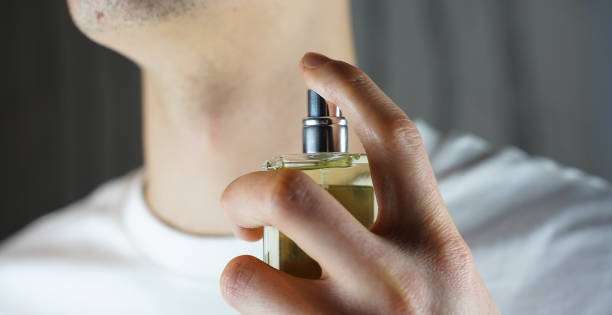
Clothing spraying tactical layout
If you’re going to spray clothes, be precise.
Recommended region (with best diffusion performance)
The outer edge of the collar/scarf,
close to the high-temperature area of the neck, diffuses naturally.
The jacket lining/suit chest pocket area
is close to the chest cavity heat source, making it both discreet and efficient.
Restricted Area
Underarms : Sweat bacteria + pheromones = fermented odor
Cuffs : Prone to friction and oil stains.
�� Part Four: Cleaning and Deodorizing
Why are pheromones so hard to wash off?
Because it is a fat-soluble macromolecule , ordinary cold water and laundry detergent cannot completely break it down. Residual oxidation will result in an unpleasant, stale metallic smell, affecting the subsequent application of fragrance.
Professional Removal Method (The Protocol)
1. Cotton and linen products—first acid wash
Soaking in a 1:5 solution of white vinegar and water for 20 minutes
→ The weak acid can break the bonds between steroids and fiber.
2. Machine washing setup
40°C warm water is preferred.
Using laundry detergent containing **bio-enzymes**
is most effective at degrading biological residues.
3. Wool/Silk
Do not wash with water.
When dry cleaning, tell the shop: “Oil-based perfume residue”
→ Organic solvents are more effective than water.
Frequently Asked Questions (FAQ)
Q1: Will the pheromones in my clothes affect my perfume the next day?
Yes, and it has a significant impact.
Androstenone residue is quite potent and can make fresh fragrances appear muddy and unclean.
Principle: Unwashed coats must maintain a consistent fragrance.
Q2: Will it turn light-colored clothes yellow if sprayed on them?
Possibly.
The pheromone serum itself has a pale yellow color, and combined with its oily base,
it can cause tiny oil spots to appear on white shirts, silk, and cashmere .
It is recommended to spray it on dark-colored clothing or linings.
Conclusion
Clothes are your armor, pheromones are your weapons.
If you can combine the two, you can create a stable and layered scent profile all day long.
But remember:
the place where pheromones are truly “activated” is your skin.
Once you master this method, you can make your fragrance not only last longer, but also truly represent yourself.
