Does drinking alcohol or coffee affect the scent of pheromone cologne?

In the world of perfume, Eau de Cologne, or pheromone Eau de Cologne, is often seen as a “silent social language”—it’s not just about scent, but also about confidence and presence.
However, have you ever experienced this: a perfume that smells great normally suddenly smells different after a glass of wine or coffee? The fragrance seems weaker, dissipates faster, or is even a bit off-key.
Don’t rush to blame the perfume itself; the answer actually lies in changes in our body’s chemistry and metabolism.
I. What is “pheromone cologne”?
Cologne generally refers to a type of perfume with a low concentration of fragrance oil, a light scent, and quick evaporation.
“Pheromone cologne,” however, goes a step further—it incorporates ingredients that mimic “attraction signals” found in human body odor into the traditional perfume fragrance system, such as androstenone and androstadienone. These perfumes not only aim to smell “good,” but also attempt to subtly influence social interactions through chemical signals.
The main factors affecting aroma release include:
Skin condition: Oil, moisture, and pH level all determine the longevity of a fragrance.
Alcohol base: Alcohol helps aroma molecules diffuse, but it is also easily affected by temperature and sweat.
Body temperature and metabolism: Fragrance “breathes” with changes in body temperature.
Personal body odor and diet: Everyone’s skin chemistry is different, and when perfume and body odor blend together, they become a unique “signature scent.”
So when you notice a change in the aroma of alcohol or coffee, it’s essentially because these variables have subtly altered.
2. Why does the aroma of alcohol “disappear” after drinking?
The most direct effects of alcoholic beverages on the body are dehydration and increased body temperature.
Dehydrated skin causes fragrance to dissipate faster.
Alcohol is a strong diuretic, which easily leads to dehydration and dryness of the skin’s surface. When skin is dry, perfume molecules evaporate more quickly, making the fragrance seem stronger instantly, but in reality, it lasts for a shorter period.
As body temperature rises, the fragrance diffuses
more rapidly. After a few drinks, blood vessels dilate, body temperature rises, and sweating increases. At this time, the fragrance molecules diffuse faster, and the aroma may be particularly noticeable in the first few minutes, but it dissipates quickly.
Body odor is chemically altered.
After alcohol is metabolized by the liver, it is excreted through sweat and respiration. Many people have a faint smell of alcohol on their skin or breath after drinking. This “base scent” can overlap with perfume, causing a shift in fragrance notes, especially with pheromone colognes, which are very sensitive to body odor.
Simply put, the aroma of alcohol is shorter, more ethereal, and less stable after drinking—this isn’t a problem with the perfume, but rather the body “warming up.”
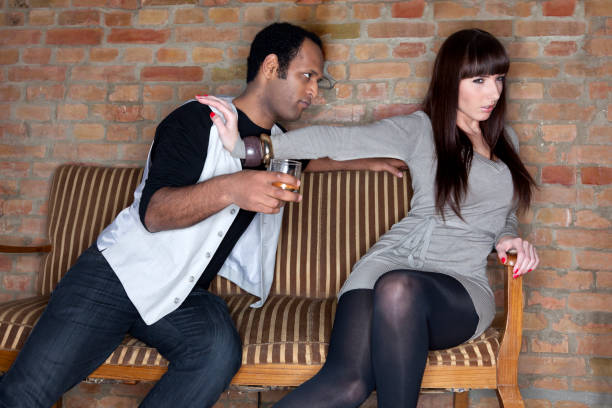
Third, what about drinking coffee? The effects are more subtle but equally real.
Compared to alcohol, coffee has a milder effect, yet it can still subtly alter the expression of a perfume.
Caffeine accelerates metabolism and sweating
. Caffeine stimulates the nervous system, which may make you feel slightly warm or sweat. Fragrance molecules diffuse more quickly as a result, but the effect lasts for a shorter time.
The “coffee scent” can interfere with other fragrance notes
. The bitter aroma of coffee can linger on breath, skin, and even clothing, easily clashing with the top notes of perfumes. For example, the subtle layers of a citrus or floral perfume may be overwhelmed by the coffee scent.
Changes in body odor due to long-term consumption:
People who drink coffee regularly may have slightly bitter or caramel-like scents in their skin oils and respiratory chemicals. When layering perfume, this can make the fragrance deeper or slightly “burnt.”
Therefore, coffee, unlike alcohol, does not “ruin” aromas, but it can subtly alter the tone of a perfume.
IV. The Special Characteristics of Pheromone Cologne: Why Is It More Easily Affected?
The “magic” of pheromone cologne comes from trace chemical signals combined with olfactory psychological effects.
When you drink alcohol or ingest caffeine, the “transmission environment” of these subtle signals is disrupted:
Alcohol and caffeine accelerate the body’s metabolism, causing sweating and increased body odor.
Pheromones are unstable when bound to skin oils, and their signals are easily masked.
Emotional state can also change the perception of aroma—a slight intoxication or anxiety can affect how others judge your “scent impression.”
In other words, when the body’s condition fluctuates, the “delicate balance” of pheromone cologne is most likely to fail.
5. How to ensure that the aroma remains consistent when drinking alcohol or coffee?
To keep your fragrance relevant in social situations, try the following methods:
Before going out, moisturize your skin
by applying a layer of unscented body lotion before spraying perfume so that the perfume molecules can adhere better.
Avoid spraying on sweaty areas
such as the collar, inside of the jacket, and inside of the wrists, rather than the neck, to reduce sweat irritation.
Control the timing and amount of drinking.
If you plan to drink alcohol, you can spray perfume before drinking; if you have already drunk, you can spray perfume again later.
Choose fragrances with stable or high concentrations, such as
EDP, or parfum, for longer-lasting scents; citrus and fresh woody notes are more sensitive to alcohol interference.
To maintain good breath and body odor,
Rinse your mouth and hydrate after drinking alcohol or coffee to reduce lingering odor.
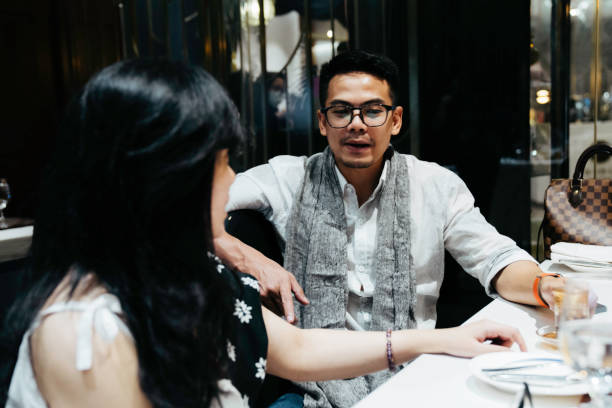
VI. Conclusion: When perfume “smells different,” it’s actually the body speaking.
Drinking alcohol or coffee can indeed affect the fragrance of
pheromone colognes. Alcohol dehydrates the skin, raises body temperature, and increases sweating; caffeine accelerates metabolism and alters the scent background—both can cause the fragrance to diffuse faster, last shorter, and even create a “chemical conflict” with the original fragrance notes.
If you want your perfume to still work perfectly at parties, dinners, or coffee dates, the secret isn’t to “spray more,” but to understand the relationship between your body and your scent:
Perfume is a concerto played in sync with your body, and when the rhythm is disrupted by alcohol or coffee, the melody naturally changes.
Before heading out next time, consider doing a little extra preparation: hydrating, moisturizing, choosing the right fragrance, and controlling your alcohol intake—these details often determine your “fragrance aura” more than just how many sprays you take.
Explore our curated selection of pheromone colognes to maintain your ideal “aura balance” from the office to a night out.
Visit our pheromone cologne store >>
